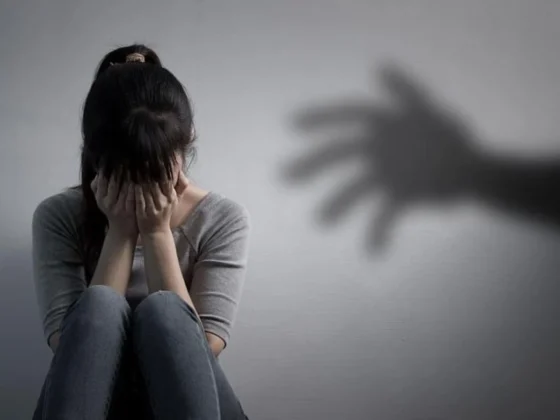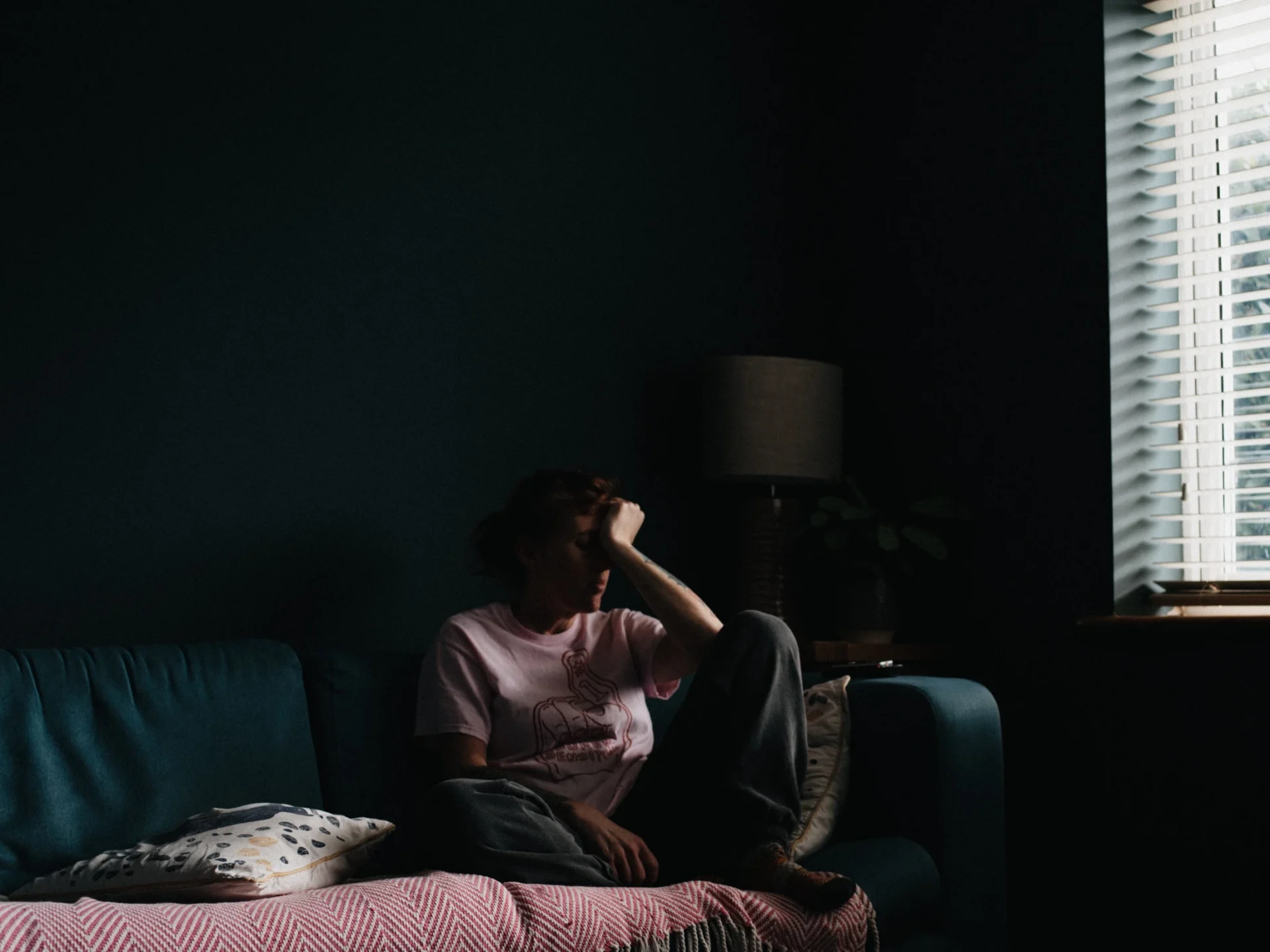
People with persistent depressive disorders and Bipolar Disorder are more likely to feel lonely than people in the general population . . . that makes about 1 in 100 of us, then!
Bipolar Loneliness Can Be Crippling, But It Doesn’t Have To Be!
Loneliness associated with Bipolar Disorder can be profound, even paralysing. And that’s with help and support around you, too. You can have all the friends and family in the world yet feel so alone. But It is possible to have the life we deserve through conscientious living.
The terrible lows, the manic highs, the feeling of not being able to trust my mind — those things are the core of Bipolar and they can lead to feelings of loneliness that may feel insurmountable. Believe me, I’ve been there. And honestly? I actually feel very alone while writing up this blog; that’s what got me thinking to share this, to let myself and others know we may feel lonely, and it’s absolutely a valid feeling, but we are not alone. Not really. We are loved and cared for, even if we can’t see it in that moment of pain.
Bipolar loneliness may arise from:
- Feelings of sadness or hopelessness
- Believing we’ve disappointed everyone we know
- Fear that our family and friends don’t actually like us
- Internalized shame — deserved or not
- Being convinced that we’re not performing well at work/school
- Worrying that everyone is coddling us so we don’t have “another breakdown”
- The fear that friends or family are tired of us and our condition
- Impostor syndrome — feeling like you’re a fraud
- Being immobilized by not knowing how to move forward
- Feeling like a car wreck that nobody can look away from
- The stigma associated with having a mental illness
Any mental illness can be harrowing. Bipolar disorder and loneliness are no exception. Though you may feel powerless, you’re not. Recognizing your illness and understanding how your illness works is the first step toward recovery.
It is not a sign of weakness or failure to admit when you’re struggling — to others, or yourself. If anything, it’s a sign of strength.
If you’re feeling like you might hurt yourself or someone else, it’s imperative to call someone and seek professional help.
UK
If you just need to talk, any time of day or night:
Free listening services
These services offer confidential support from trained volunteers. You can talk about anything that’s troubling you, no matter how difficult:
- Call 116 123 to talk to Samaritans, or email: **@********ns.org for a reply within 24 hours
- Text “SHOUT” to 85258 to contact the Shout Crisis Text Line, or text “YM” if you’re under 19
If you’re under 19, you can also call 0800 1111 to talk to Childline. The number will not appear on your phone bill.