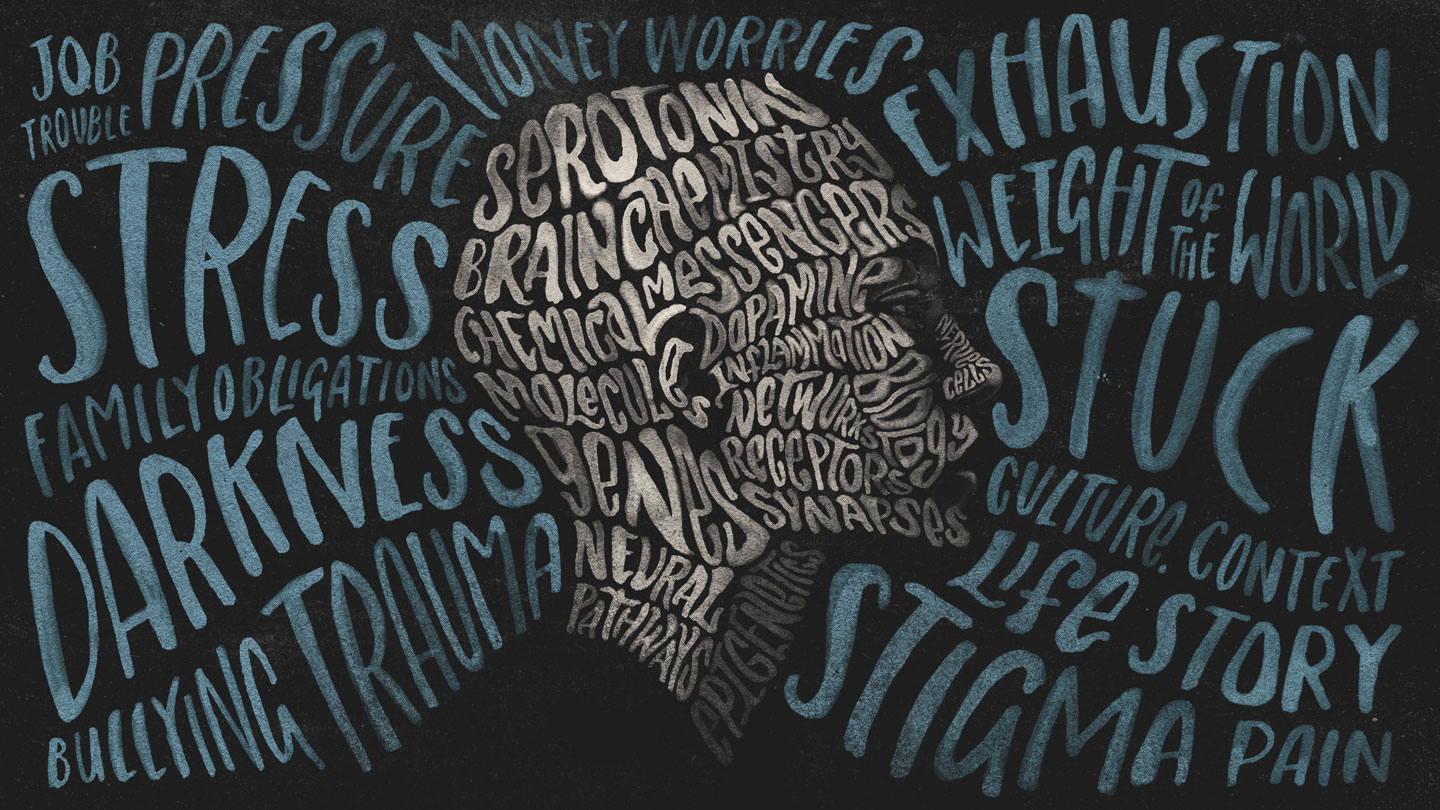
Depression is a serious, potentially life-threatening condition that can affect anyone, including those with Bipolar Disorder. Bipolar Disorder is a mental health disorder characterized by extreme mood swings between depression and mania. It is important for people with Bipolar Disorder to understand how to cope with their depression in order to stay healthy and maintain balance in their lives. In this blog post, we will discuss the essential information you need to know about depression in Bipolar Disorder and ways to manage it.
The link between Bipolar Disorder and Depression
Bipolar Disorder is a mental illness that is characterized by extreme fluctuations in mood, energy, and activity levels. People who have Bipolar Disorder often experience episodes of mania, where they feel unusually energized and happy, and episodes of depression, where they feel low and sad. During a depressive episode, people may experience strong negative emotions like sadness, irritability, low self-esteem, and hopelessness.
Depression is a severe mental health condition that can have an enormous impact on a person’s life. It can be caused by a variety of factors, including genetics, environmental factors, or other medical conditions. For people with bipolar disorder, depression can come on suddenly and without warning, making it especially difficult to manage.
While the exact cause of depression in bipolar disorder is unknown, it is believed to be related to the emotional highs and lows associated with it. During periods of manic behaviour, people with bipolar disorder may have elevated emotions such as joy and excitement. When this period ends and depression sets in, those same emotions can become overwhelming and lead to feelings of sadness and hopelessness. Depression is often linked to bipolar disorder because the condition is a type of mental illness. During periods of depression, people with bipolar disorder may experience intense negative emotions, such as low self-esteem and hopelessness. In addition, the ups and downs associated with bipolar disorder can also lead to depressive episodes. It is important to seek professional help if you think you may suffer from depression as part of bipolar disorder so that you can get the support and treatment you need.
The symptoms of depressive episodes
Depressive episodes in Bipolar Disorder can be a challenging experience. People living with the condition can experience extreme lows that can be difficult to manage. Common symptoms of depression in Bipolar Disorder include:
– Feeling sad, empty, or hopeless
– Loss of interest in activities that used to bring pleasure
– Sleep disturbances (sleeping too much or too little)
– Changes in appetite and weight (eating too much or too little)
– Feelings of worthlessness or guilt
– Loss of energy or motivation
– Poor concentration and difficulty making decisions
– Unexplained physical aches and pains
– Suicidal thoughts and behaviours
It is important to note that everyone experiences depression differently, and not all people with Bipolar Disorder will experience these symptoms. Talking to a healthcare provider if you are concerned about your mental health is essential.
The impact of depression on daily life
Depression can have a significant impact on daily life, making it difficult to go about one’s usual activities. Those living with depression may find themselves unable to concentrate or focus on tasks, as well as feeling very fatigued and unmotivated. It is also common for people with depression to experience physical pain and disinterest in taking part in activities that were once enjoyable.
It can be particularly challenging to maintain relationships when depressed, as symptoms like irritability, sadness and lack of energy can make it difficult to connect with those around you. People with depression may also find it difficult to hold down a job because of the inability to focus or difficulty in managing daily tasks.
In extreme cases, depression can cause people to isolate themselves from society, cutting off contact with friends and family. This can lead to further feelings of loneliness and hopelessness. If not addressed, these feelings can spiral into a dangerous cycle of negative thoughts and feelings.
It is important to remember that depression is an illness that can be treated and managed with the help of a qualified healthcare professional. While it can be incredibly difficult to seek help when depressed, taking the first steps towards recovery can be life-changing.
The importance of seeking help
When dealing with depression or Dipolar Disorder, it is essential to seek help from a mental health professional. Depression is a serious condition that can have a major impact on daily life and should not be taken lightly. In some cases, the symptoms of depression can be so severe that they require medical treatment. A qualified mental health provider can provide important resources, support, and guidance when dealing with depression.
For those struggling with Bipolar Disorder, medical intervention is especially important. Bipolar Disorder is a serious mental illness that requires long-term treatment and management. Without proper treatment, Bipolar Disorder can be extremely debilitating and lead to severe depression. A mental health professional can provide specialized care to ensure that the condition is being properly managed and that all necessary steps are being taken to reduce the risk of further depressive episodes.
It is also important to remember that mental health professionals are there to provide support and help. They are not there to judge or criticise, but rather to listen, understand, and offer guidance in navigating depression or Bipolar Disorder. By seeking help, individuals can begin to better understand their own mental health and take steps towards managing their condition.
Seeking help for depression or Bipolar Disorder is essential for living a healthy and fulfilling life. Mental health professionals are available to provide support and resources, helping to ensure that individuals have the tools they need to cope with their condition. With the right guidance and support, individuals can take control of their mental health and move forward in life with greater confidence and clarity.