A Modern Perspective on Patrick Troughton’s Farewell
When it comes to iconic Doctor Who stories, The War Games stands as a monumental turning point in the show’s history.
Originally aired in 1969 as a sprawling ten-part saga, it marked the end of Patrick Troughton’s tenure as the Second Doctor. The powerful impact of this storyline on the show’s narrative evolution cannot be overstated. The War Games not only signified the departure of Troughton from the role of the Doctor but also introduced the concept of Time Lords, laying the foundation for future intricate story arcs within the Doctor Who universe.
Recently, I had the pleasure of watching the colourised, condensed version of this classic, which repackages the ten 25-minute episodes into a single 90-minute feature. The enhanced visual experience provided by the colourisation breathed new life into the narrative, allowing for a more immersive viewing experience that captured the essence of the story in a modern context. Through this condensed format, the key moments and character dynamics were more tightly woven together, showcasing the intense emotional depth of the Doctor’s dilemma and the intricate intrigue surrounding the War Games.
As someone who has seen the original regeneration sequence countless times but never the full story, I find this condensed version to be a comprehensive and coherent viewing experience that deepened my appreciation for the story’s complexity and emotional resonance. The thematic depth of the narrative was more pronounced in this condensed format, allowing for a more profound exploration of the Doctor’s moral struggles and the consequences of his actions. The fast-paced nature of the condensed version heightened the tension and urgency of the Doctor’s race against time, creating a more dynamic and engaging storytelling experience that kept me on the edge of my seat throughout the entire 90-minute feature.
The Highlights of a Bold Condensation
The transition to colour injected a newfound vibrancy into The War Games, reinvigorating the classic tale for contemporary viewers and infusing it with a fresh resonance that captures the essence of its timeless narrative.
Noteworthy among its many enhancements was the magnificently reimagined regeneration sequence, a true masterpiece that effortlessly combined stunning visual artistry with a profound emotional depth, serving as a pivotal moment in the Doctor’s evolution. In addition, the tantalising glimpse of Gallifrey, the enigmatic home world of the Doctor, was expertly brought to life on screen, providing a captivating backdrop against which the climax of the Second Doctor’s odyssey unfolded with breathtaking intensity.


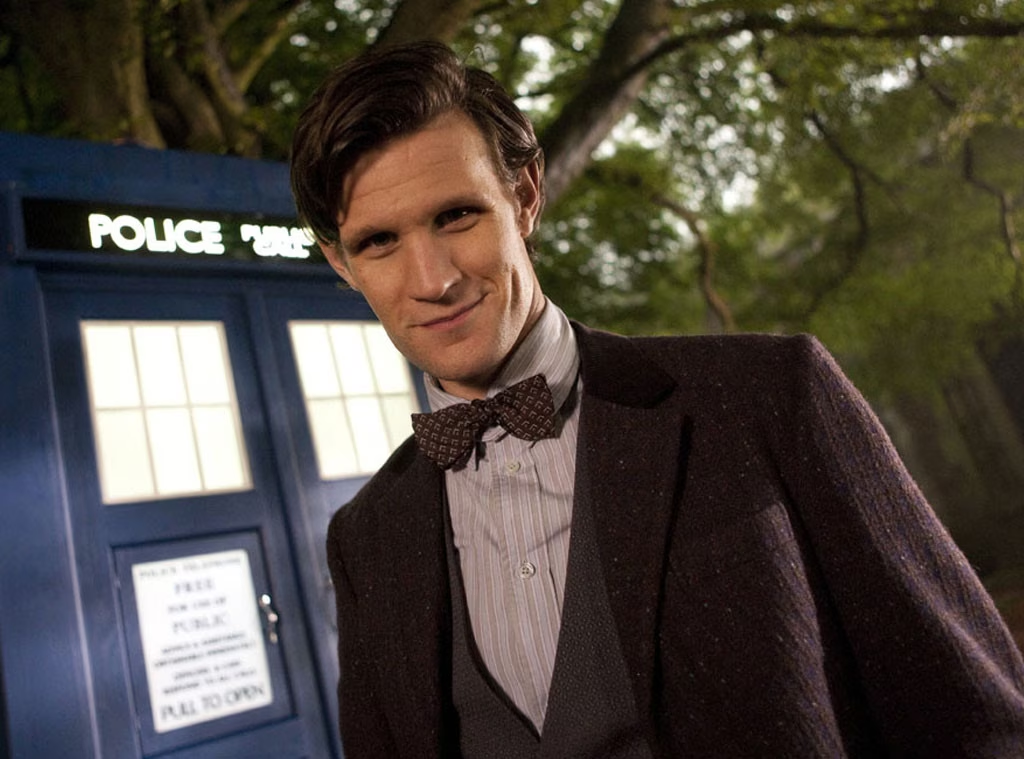
Catering to the devoted followers of Doctor Who across generations, the inclusion of subtle “easter eggs” paying homage to the modern era of the series emerged as a delightful surprise for fans, seamlessly weaving a meta-textual thread that skillfully bridged the gap between past and present. The fleeting images teasing potential future incarnations of the Doctor embodied by the likes of Matt Smith, Peter Capaldi, Jodie Whittaker, and David Tennant not only added an extra layer of intrigue but also underscored the show’s rich legacy while embracing its contemporary fan base with a clever nod.
I must confess, the appearance of Matt Smith’s Eleventh Doctor sparked an uncontrollable burst of excitement that reverberated with pure joy, showcasing a thoughtful touch that respects the show’s history while embracing its evolving presence in the hearts of fans old and new alike.
A Critical Look at the Edit
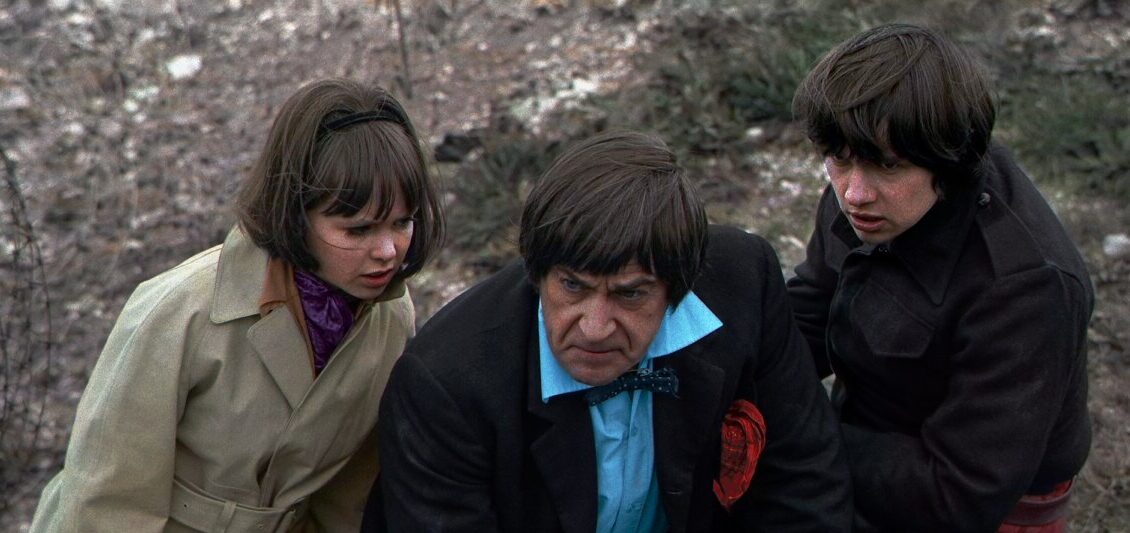
While the overall experience of watching the condensed version was undeniably highly enjoyable, it’s important to note that it wasn’t without its flaws. As someone deeply entrenched in the world of video editing, my trained eye couldn’t help but pick up on a few glaring issues, particularly those centred around the abrupt transitions that occasionally disrupted the seamless flow of the narrative. One such moment that stood out vividly was when the soldiers burst into the cell where the Doctor, Jamie, and Zoe were being held captive; the next scene showcased them in an office setting without any clear explanation or smooth transition, leaving viewers, especially those less familiar with the original storyline, feeling somewhat disoriented and disconnected.
Of course, condensing an intricate storyline spanning ten episodes into a compact 90-minute format is a formidable task that requires meticulous attention to detail, and in that regard, the editors truly deserve commendation for their diligent effort in striking a delicate balance between maintaining the narrative’s core essence and ensuring the overall pacing remains engaging and coherent for audiences to follow effortlessly.
A Marriage of Modern and Classic Elements
One of the most inspired choices in this new cut was the use of Murray Gold’s music. Hearing the Master’s theme subtly woven into scenes where the Time Lords were first mentioned added a haunting resonance. It was a brilliant way to link the past to the present, underscoring the Time Lords’ significance in the Doctor’s mythology.
Furthermore, the incorporation of Murray Gold’s music not only served to bind the narrative threads of past and present effortlessly, but also succeeded in imbuing the essence of the Time Lords with a haunting quality that lingered in the viewers’ minds long after the episode concluded. The Master’s theme, delicately entwined within the scenes that introduced the Time Lords, acted as a poignant reminder of the intricate web of history and fate that the Doctor navigates, further deepening the emotional and narrative impact of the story.
Moreover, as the Time Lords made their inaugural appearance on-screen in 1969, the significance of this moment cannot be overstated. This marked a pivotal juncture in the Doctor’s expansive lore, providing a tantalising glimpse into the enigmatic background of our beloved Time Lord without fully unravelling the veil of mystery that shrouded him. The subtle yet profound introduction of the Time Lords at this critical juncture not only captivated audiences but also set the stage for the intricate, multi-layered mythology that continues to captivate and enthral fans to this day.
In retrospect, the initial portrayal of the Time Lords in 1969 laid a foundation that not only shaped the future trajectory of Doctor Who but also established a rich tapestry of lore and history that has evolved and expanded over the years. The seeds sown in this seminal moment have grown into a sprawling narrative landscape that has allowed for the exploration of complex themes, diverse characters, and far-reaching story arcs, enriching the Doctor’s universe with depth and nuance. Therefore, it is fascinating to contemplate how this seemingly innocuous introduction of the Time Lords laid the groundwork for the intricate tapestry of storylines, character development, and thematic depth that have come to define Doctor Who as a cultural phenomenon.
The fusion of past and present, exemplified by the skilful integration of Murray Gold’s music and the evocative portrayal of the Time Lords, serves as a testament to the enduring legacy of the show and its ability to captivate and inspire generations of viewers with its timeless storytelling and profound exploration of the human experience.
The Heartbreak of Departure
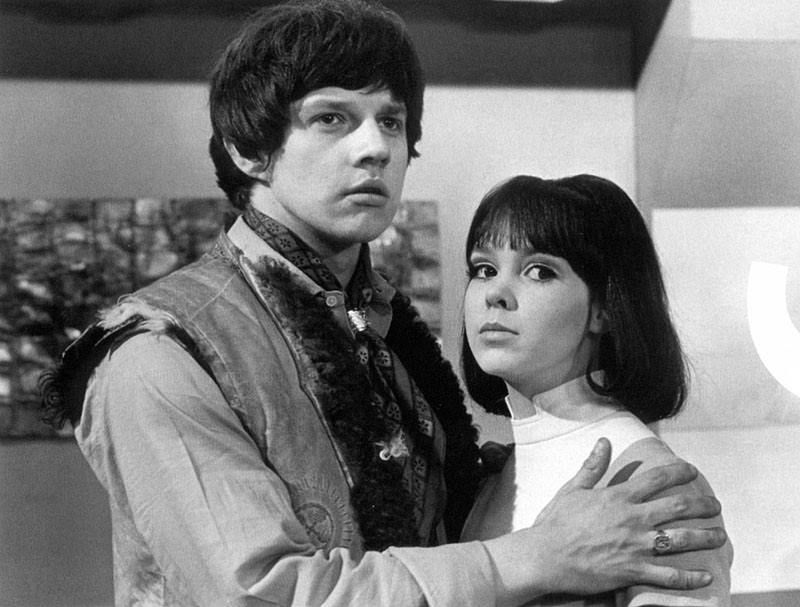
For all its grandeur, The War Games is a deeply emotional story that resonates with viewers on multiple levels. One poignant aspect lies in the heart-wrenching farewells of Jamie and Zoe as they gradually lose their memories of the extraordinary adventures they shared with the Doctor. This emotional struggle, reminiscent of Donna Noble’s tragic departure in Journey’s End, underscores the profound impact of travelling with the enigmatic Time Lord.
The portrayal of Zoe’s blank expression upon returning to her ordinary life serves as a powerful symbol of the sacrifices and bittersweet endings that often accompany the Doctor’s companions. It reflects a profound sense of loss and transition, emphasising the transient nature of their time and memories spent alongside the Doctor.
Then there was Jamie, no longer with all his memories, yet he remains fearless and resourceful when he bravely confronts an opponent armed only with a quilt and a dagger, prompting a little giggle from the Doctor.
As a companion, Jamie’s unwavering loyalty, courage, and endearing charm continue to captivate audiences and solidify his place as one of the most beloved companions in Doctor Who history.
A Timeless Story Worth Watching
Despite the occasional clunky edits within the condensed, colourised version of The War Games, it undeniably stands as a triumph in classic television adaptations. By deftly distilling this timeless story’s essence, it manages to bridge the gap between generations of fans, all while honouring its historical significance. The bold and captivating narrative weaves its way through various war zones and timelines, captivating audiences today just as it did over five decades ago, showcasing the enduring relevance of its themes and storytelling.
For devoted followers of Doctor Who, this rendition transcends being just another regeneration tale; it represents a pivotal moment in the show’s evolution, marking a crucial juncture that sets the stage for the advent of the Third Doctor’s era. Moreover, it intricately introduces audiences to the enigmatic mythos of the Time Lords, enriching the series’ lore and deepening the narrative tapestry for seasoned viewers and newcomers alike.
Without reservation, I strongly encourage longtime devotees and those discovering the classic series for the first time to immerse themselves in this version. It serves as a captivating fusion of past and present, offering a poignant reminder of why Doctor Who endures as a quintessential pillar within the realm of science fiction storytelling.
So, gather your popcorn, settle comfortably into your seat, and prepare to embark on a mesmerising journey through the boundless dimensions of time and space, delving deep into one of the most profound, impactful narratives ever brought to life within the expansive annals of Doctor Who history.